

Today was one of those mornings where you wake up feeling like a freight train ran right through you, and you're not even sure what day it is. Remembering your own name feels like an unbearable task.
I had been waking up on and off through the night, my mind racing with random thoughts. There's a lot going on lately. So when my alarm finally went off, I shuffled out of bed like a proper zombie, and even after my first morning coffee, I still felt a little off.
The End-of-Year Ceremony That Wrecked Me (In the Best Way)
On top of this, there was a class goodbye party scheduled for this morning for my little one. She'll be a 5th grader next year. Can you believe it? All the kids and parents gathered in her classroom to celebrate. We chatted, laughed, and yes, we cried. A lot.
I sat in the back row with two of my favorite class moms. At first, we were all joking about the hormones. "Is it just us?" But within minutes, we were quietly passing tissues, blowing our noses, and wiping our eyes.
It was intense, but it was also deeply connecting. There's something beautiful about sharing a moment like that with women who just get it, without needing to explain anything.
Which got me wondering: are we more emotionally sensitive right now because of the hormonal rollercoaster that comes with perimenopause? Is this what the next few years look like, feeling everything more intensely? Honestly, I'm starting to think the answer is yes.
The Great Elimination Game: Sugar, Alcohol, and Caffeine
Afterward, we all gathered around the donuts, bagels, and sweets everyone had brought. Someone had set up a large container of Dunkin' coffee (bless) and I poured myself a generous cup while announcing to anyone who would listen that I'm officially quitting sweets. The moment I eat something sweet, the weight piles on. And once I start, I genuinely cannot stop. So I've decided: sweets are a rare, intentional treat from now on.
The other mom looked at me quietly and said she's been quitting caffeine because her body just can't tolerate it anymore.
We both nodded. And then, almost in unison, we brought up alcohol. Neither of us can really drink wine anymore. For me, the only thing my body still tolerates is a gin and tonic on the rare occasion I drink at all. Wine is simply off the table.
So we're both eliminating things. Adjusting. Adapting.
But Caffeine? Caffeine Is Non-Negotiable
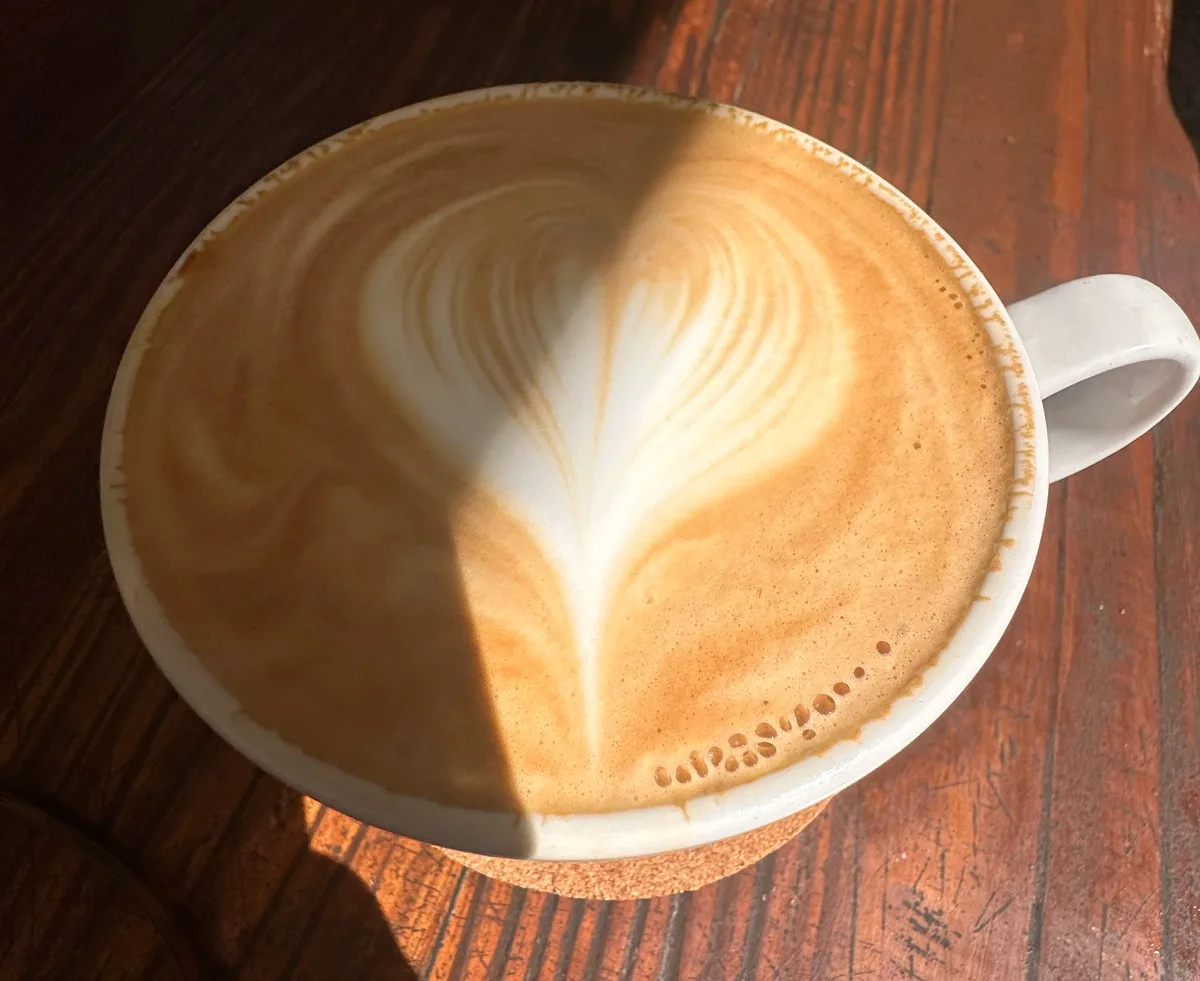
I stood firm on this one. My morning coffee is not up for debate. Without it, I am a zombie, as today very clearly demonstrated. And I'll be honest: I genuinely hope that perimenopause doesn't come for my coffee. Of all the things this phase of life seems determined to renegotiate (sleep, sugar cravings, alcohol tolerance, emotional regulation) I am drawing the line at caffeine.
It's a small thing. But sometimes the small things are the ones worth holding onto.
Perimenopause Is a Negotiation, Not a Surrender
What struck me most about this morning, through the tears, the tissues, and the Dunkin' coffee, is that we're all figuring this out together, in real time. We're learning which things we need to let go of (sugar binges, late nights, wine) and which things we're keeping no matter what (coffee, community, a good cry when the moment calls for it).
If you're somewhere in this season of life too, I'd love to know: what's your non-negotiable? What is perimenopause not allowed to take from you?
Drop it in the community forum. Let's compare notes, and maybe pass some tissues.
Okay, I Have to Tell You a Secret
I own a small portable coffee machine. Yes, the kind people take camping. Except I take it everywhere I go where I know there won't be a proper coffee machine in sight.
Because here's the thing: bad coffee is just as bad as no coffee. If you're a coffee addict like me, you know exactly what I mean. There is nothing worse than showing up somewhere and being handed a sad, watery cup that has been sitting on a burner for three hours.
So I started bringing my own. And honestly, it's one of the best decisions I've ever made. It's small, it's easy, and it means I never have to compromise on my one non-negotiable.
If you're in the same boat, this little machine is genuinely genius