

The Famous Peri 5, No. 1: Magnesium Glycinate
The supplement I wish someone had handed me the night I stopped sleeping in the city that never sleeps.
As I mentioned before, we moved to New York and everything was perfect. I felt good in my body and I organized a whole move across the Atlantic without any struggle. But as soon as we settled in, something shifted. I was always the person who slept like a bear. I never had trouble falling asleep or sleeping through the night. But perimenopause changed everything, and no one warned me.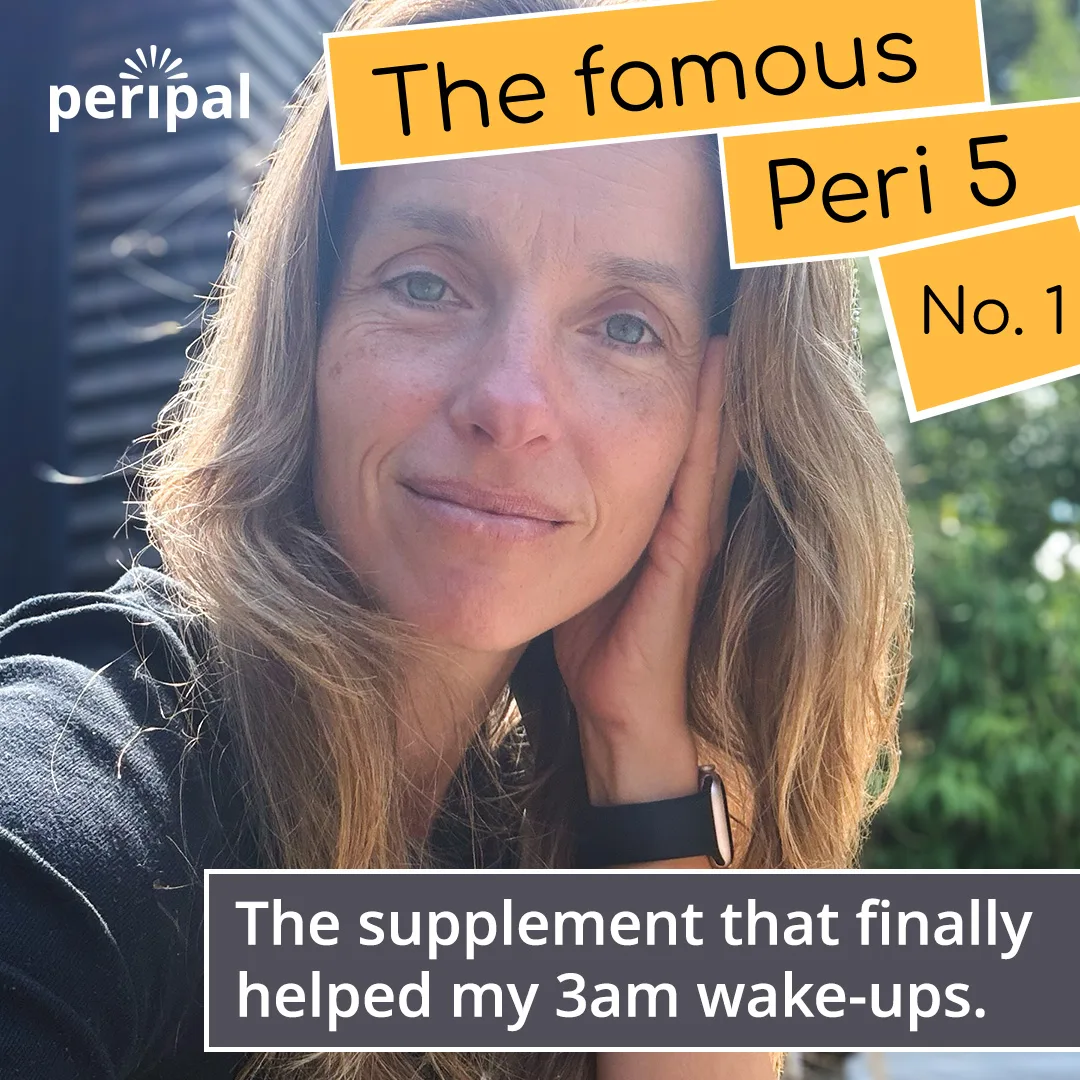
There is a very specific kind of tired that perimenopause introduces you to. Not the tired where you fall asleep the second your head hits the pillow. The other kind. The kind where you are exhausted all day, get into bed at a reasonable hour, and then just... lie there. Wide awake. At 3am. For no reason you can identify.
That was me for almost a year before I figured out what was happening. And one of the first things that actually helped was something so simple it felt almost embarrassing: magnesium.
What is Magnesium Glycinate?
Magnesium is a mineral your body uses in over 300 different processes. Sleep regulation, muscle function, nerve signaling, blood sugar management, bone density. The list is long.
Magnesium glycinate is a specific form of magnesium where the mineral is bound to glycine, an amino acid. This makes it significantly easier for your body to absorb, and much gentler on your stomach than the cheaper forms you will find in most multivitamins.
Why perimenopause makes you need it more
Here is what happens. As estrogen levels decline, your body excretes more magnesium than it can retain. At the same time, stress hormones rise, which depletes magnesium further. The result: many women in perimenopause are walking around chronically low in a mineral that directly regulates sleep, mood, and muscle tension. And most of them have no idea.
Low magnesium is associated with exactly the symptoms that show up in perimenopause: insomnia, anxiety, muscle cramps, restless legs, heart palpitations, and heightened sensitivity to stress. It is not the only explanation for any of these. But it is worth taking seriously.
What the evidence says
The research is not perfect. No supplement research ever is. But what exists is encouraging. Studies on magnesium and sleep quality show meaningful improvements in both falling asleep and staying asleep. Research on magnesium and anxiety shows a consistent, modest calming effect. And glycinate specifically has been shown to be one of the most bioavailable and well-tolerated forms you can take.
One thing worth noting: this is not a drug. It is a mineral your body already needs and likely is not getting enough of. For most women, supplementing is simply correcting a deficit, not adding something foreign.
How to take it
Form: Look for magnesium glycinate or magnesium bisglycinate on the label. Avoid magnesium oxide (low absorption) and be cautious with magnesium citrate if your digestion is sensitive.
Dose: Most studies use 200 to 400mg of elemental magnesium. Start low and increase gradually.
When: Evening or just before bed. The sleep and relaxation benefits are most noticeable when you take it at night.
What to expect: It is not immediate. Give it two to three weeks of consistent use before deciding whether it is working.
If you are on any medications or have kidney issues, check with your doctor before adding any new supplement. This is not medical advice, and what works for one body does not work for every body.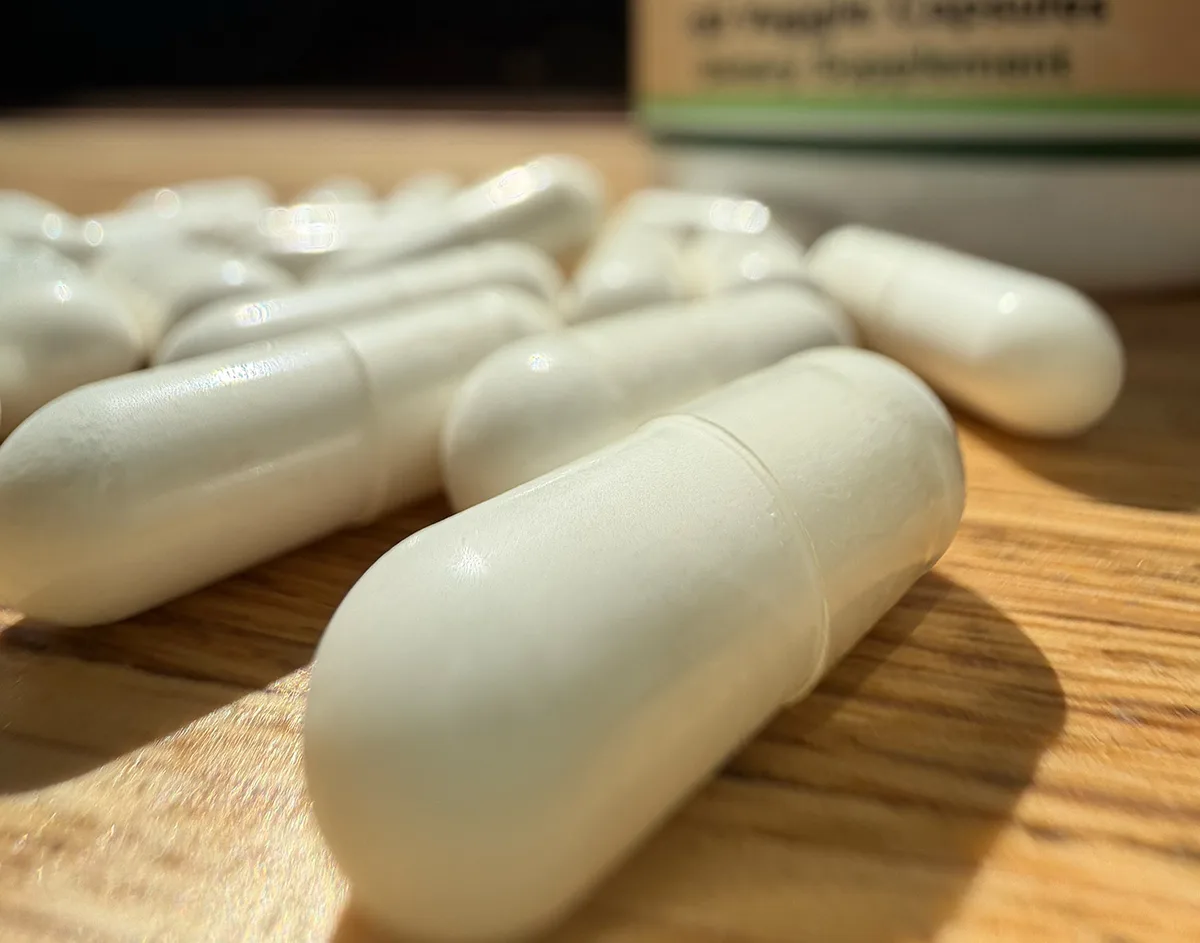
My honest take
I take 400mg about 30 minutes before bed. It was one of the first things I added during perimenopause, and it is one of the few I have never stopped taking. My sleep is not perfect. But the 3am wake-ups are significantly less frequent, and when I do wake up, I can usually fall back asleep. For me, that is enormous.
It is not a cure. Nothing in The Famous Peri 5 is. But it is a very good starting point, and it costs about the same as a round of coffee.
Up next in The Famous Peri 5: Omega 3 and why your brain needs it more than it lets on. This is another supplement I always take, and it has helped me so much. Stay tuned for the next post!